
Tracing Former Owners of a Richmond City Property
Start with the most recent deed you know. Then work toward earlier transfers. In Richmond, the trail may cross modern SRA indexing, older online index books, historic land books, and library collections along the way. Each era has its own finding aid. Pick the tool by record era and historic division, because the oldest date is not always the simplest index to search.
| Source | Years It Covers | Where Held | What It Shows |
|---|---|---|---|
| SRA deed index and historic books | Current product from 1993; older indexes by division | Richmond Circuit Court Clerk | Party names, recording references and deed trail |
| Historic land records | Division I to 1782; Division II to 1874 | Clerk/SRA | Recorded transfers and related instruments |
| Chancery Records Index | Richmond City images, 1783-1879 | Library of Virginia | Title, estate, partition and land disputes |
| City and suburban directories | 1819 to present | Richmond Public Library | Address-to-occupant clues for a house history |
Modern deeds live in the SRA Indexing Search. Older work means Online Index Books or the Historical Records Search. Directories help with names. A city directory can tie a person to an address. It can also settle the spelling of a grantor or grantee before you dig in. Chancery files explain gaps left by estates and boundary disputes. Only the recorded deed proves the transfer, though.
Richmond City Deed Index Cutovers
Each index product has its own start date. The current SRA deed index opens at 1993. Division I indexing reaches 1966, and Division II reaches 1937. Older names live in the online index books or the historical search. Wills follow a separate series. Their current products begin around 1995 or 1996. These dates mark searchable-product cutovers rather than the earliest deeds the Clerk holds.
The Clerk's SRA historical coverage information page lays out each mode and its reach. It shows where a search begins. It does not show the full range of documents open to the public without a subscription.
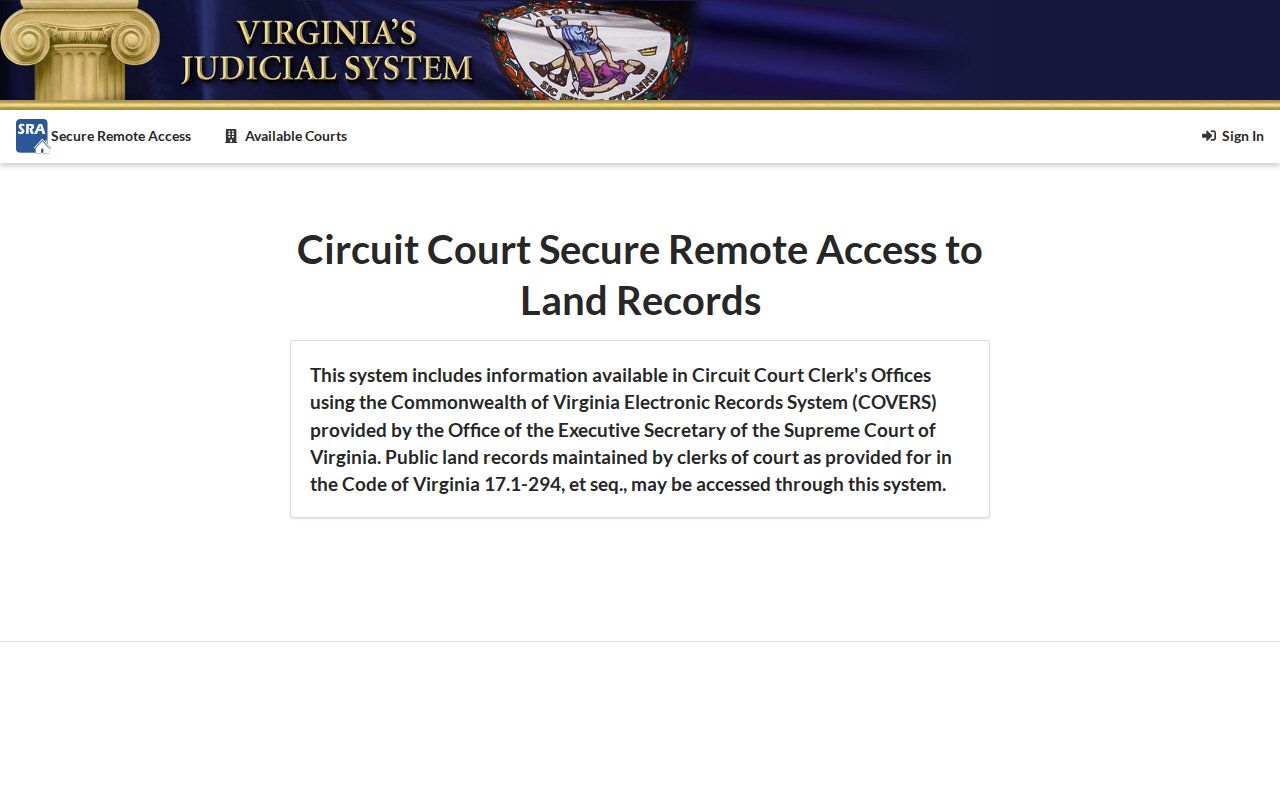
A missing name is not always a missing deed. Switch index mode before concluding a transfer never happened. Note the division, series, and date span you searched so the next lookup can resume in the right book.
Walking the Richmond City Deed Chain Backward
Every deed names a grantee and a grantor. The grantee in one instrument often shows up as the grantor in the next. Match the land, not just the name. The document reference and legal description confirm that each step concerns the same parcel. Shared surnames and look-alike estate or trust names make a name match alone unreliable. So check both.
- Use the latest deed to identify its grantee, grantor, recording date and legal description.
- Search the grantor as a grantee in the earlier index for the prior acquisition.
- Compare the lot, block, PIN or metes-and-bounds language to keep the parcel consistent.
- At a product cutoff, change to the proper historic book and division.
- Repeat until the land description or record series requires archival help.
- Grantor
- The person or entity that conveyed the recorded interest.
- Grantee
- The recipient named in a deed or other instrument.
- Chain of title
- The ordered sequence of land transfers and related instruments.
- Legal description
- The deed’s written description, often more useful than a modern street address.
Richmond City Division I and II Owners
The James River shapes the search. Division I holds north-side land records back to 1782. Division II covers the former City of Manchester. That division sits south of the river and reaches 1874. Merged-division documents run from April 1, 1984 through August 31, 1993. Before September 1993, the Clerk splits records among the merged product and the two divisions. A single parcel can therefore leave traces in three separate places.
Old boundaries and new maps disagree. A deed may mention Manchester or a south-river parcel. It belongs to the Division II route, even when the modern address simply says Richmond. Watch the cutovers too.
One index rarely finishes the job. The Clerk's Richmond SRA coverage and subscriber guide shows the span of each product. That coverage explains why a former-owner search may cross several historic indexes.
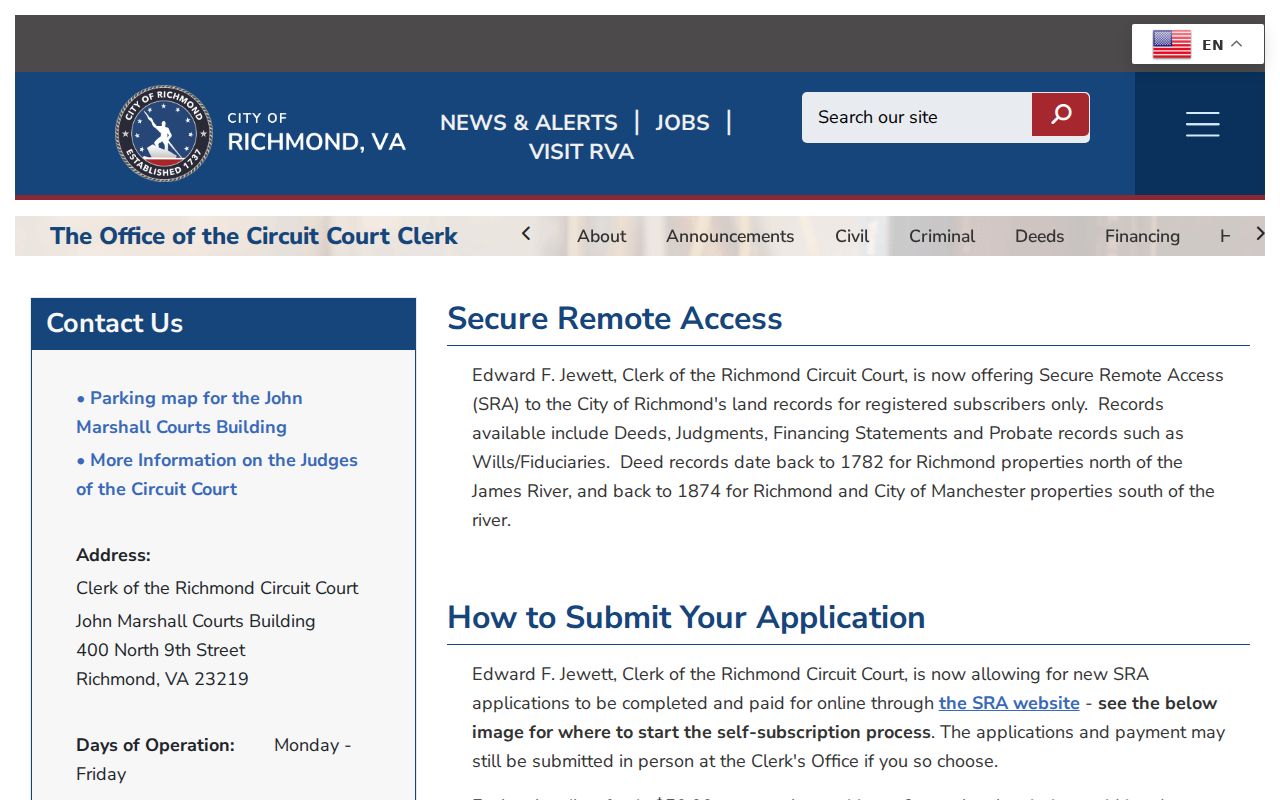
Chains cross boundaries and cutovers. Record every prior instrument number and legal description before moving to the next source, so nothing gets lost in the switch.
Richmond City Chancery and Estate Records
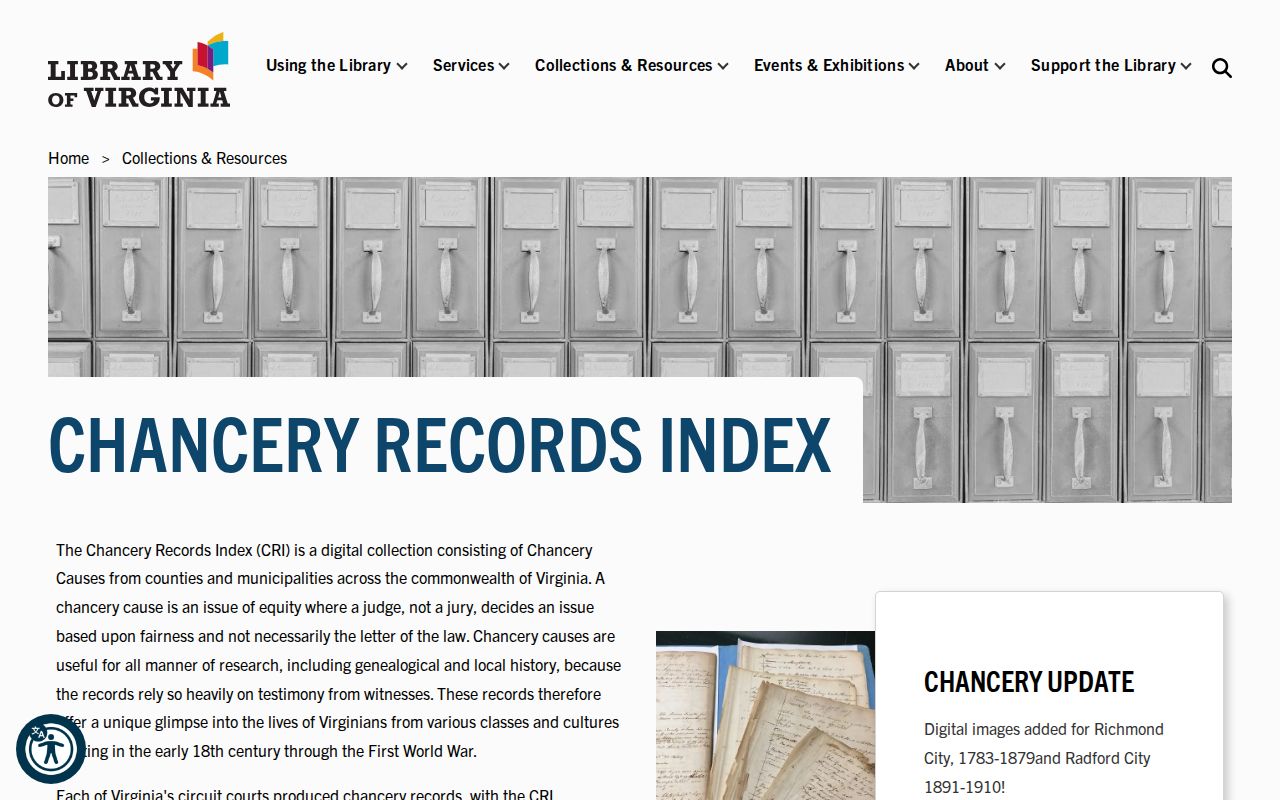
Chancery records tell the rest of the story. The Library of Virginia's index holds Richmond City images from 1783 through 1879. The files cover partition, title, debt, and land disputes. Depositions, plats, and heir names often hide inside. When a chain has a gap, search the owner or estate name for a case that explains how the land passed.
The Library of Virginia Richmond Chancery Records Index opens the collection. Case files are its strength, not grantor-grantee indexing.
Wills stay with the Circuit Court Clerk. A will shows intent. A recorded executor, administrator, or fiduciary deed with its related order is the stronger proof that land actually passed.
Richmond City Directories as Address Bridges
Richmond Public Library keeps city and suburban directories stretching from 1819 to the present. That span makes them the best address bridge in the city. A nineteenth-century deed often names nothing but a block or lot. The directories fill that gap. They tie an address to an occupant or owner notation year after year. The Richmond Room holds far more than directories. Its collections include newspapers, city maps, phone books, yearbooks, archives and over 1,500 ephemera files. Nothing circulates, and appointments are encouraged for fragile or restricted material.
Work one address through a single directory year first. Note the name plus any occupation or spouse notation. Then compare neighboring entries and the next year's volume. The name becomes a clue for the deed index. Keep the limits in mind, though: a directory listing is historical context, not proof of title. The occupant listed may never have owned the property.
The image below links to the Richmond Room local-history collection page. It identifies the city directories and related house-history resources.

Virginia Chronicle offers free historic newspaper pages. Sales notices, estate proceedings and street-renaming stories can surface a date or name worth verifying in the land books.
Richmond City Parcel Changes and Old Addresses
A deed chain can look broken when it is not. The parcel itself changed. Richmond parcels get divided, combined, or redescribed under an older street name. The paper trail shifts accordingly. Richmond's GIS division tracks splits, merges, subdivisions and alley or road closings. A split requires a recorded deed, plus a plat or survey where applicable. New parcels then appear on the following year's assessment notice or tax bill. The current PIN may not match an older deed. The legal land description simply changed.
Start with the current owner's deed and its full legal description. Compare the referenced lot and plat against earlier instruments. A transfer may have covered only part of the prior lot. Follow the plat and both resulting parcel keys. One more wrinkle: Richmond's city-address database can carry multiple operational addresses. The Assessor keeps a single primary address. A modern street query can therefore miss older documents entirely.
Never treat a street number as a permanent historic key. Use the legal description, PIN, subdivision reference and index division together.
How Far Back Richmond City Ownership Records Go
Richmond’s Clerk reports digitized land records reaching back to 1782 for property north of the James. Coverage begins in 1874 for land south of the river in Richmond and old Manchester. Not everything lives in one search product, though. Current indexing, older index books, and historic division records each cut off at different points. The Library of Virginia also holds Richmond Chancery images covering 1783 through 1879.
The city itself was incorporated in 1782. The old City of Manchester is part of the south-side record story. The 1865 evacuation fire destroyed much of central Richmond. The Clerk publishes no official estimate of deed-book losses. When a search comes up empty, check the division, the index mode, and the party spelling first. Then review the parcel description. A record missing from a modern query was not necessarily destroyed.
Lawful use. Richmond City former-owner research is for property history, title review and due diligence. Do not use names or addresses to monitor, stalk, harass or threaten a living person.